Biggest Eversolo Dac Z10 Buying Mistakes (And How to Avoid Them)
The Eversolo Dac Z10 has earned attention among desktop audio enthusiasts as a compact, desktop-oriented DAC and headphone amplifier that promises clean sound and flexible connectivity. Like any product in the crowded DAC/amp category, buying one without a clear plan or without checking compatibility can lead to disappointment. This article outlines the most common mistakes buyers make when considering the Eversolo Dac Z10 and provides practical advice to avoid them. It covers product analysis, real-world use cases, a concise pros & cons list, a comparison table to set expectations, and a focused buying guide so readers can make a confident decision.
Product overview
Positioned toward desktop users who want a compact DAC/amp with both consumer and semi-pro features, the Eversolo Dac Z10 is typically chosen by those upgrading from motherboard audio, budget USB DACs, or small integrated amplifiers. The unit generally focuses on clean, low-noise reproduction and offers a combination of digital inputs and analog outputs so it can serve as the centerpiece of a small listening setup. Typical buyer motivations include: clearer detail and separation, improved headphone driving capability compared with basic audio outputs, and a more flexible connection suite for computers, streamers, and other sources.
Detailed product review and analysis
Build and design
The Eversolo Dac Z10 is built with desktop use in mind. The chassis and control layout are designed for stability and everyday interaction: a volume knob, source selection, and front-panel headphone output(s) are commonly present. Buyers appreciate a well-weighted knob and solid switches because they signal attention to mechanical quality and reduce the chance of noisy potentiometers over time.
Practical point: check the physical size and port layout against where it will sit on a desk. A short depth and simple footprint make placement under a monitor or next to a small streamer easier; tall or deep units may require rearranging other equipment.
Connectivity and inputs
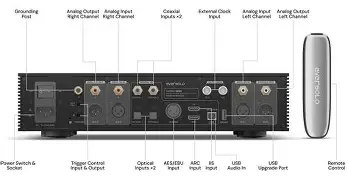
Connectivity is a major selling point for desktop DACs. The Z10 generally offers USB as its primary computer input, often supplemented by optical and coaxial digital inputs for CD transports and streamers. Balanced analog outputs or a balanced headphone output (if present) provide compatibility with studio-grade gear and high-end headphone amps.
Practical point: confirm which inputs the version being considered actually includes. Some variants in the market differ in which digital or analog I/O they carry. If a buyer intends to use the DAC with a console, streamer, or older CD player, verify that the necessary optical or coaxial inputs are present.
Output capability and headphone driving
A big reason people step up to a DAC/amp like the Dac Z10 is for improved headphone driving capability. For many users, the Z10 will comfortably drive most dynamic-driver headphones and many planar-magnetic models. However, high-impedance or inefficient planar designs can demand more voltage or current than some compact desktop amps provide.
Practical point: always match the amp capabilities to the intended headphones. If the buyer owns or plans to buy headphones with high impedance or low sensitivity, check power output, voltage swing, and whether a balanced output is available to deliver the required drive cleanly.
Sound signature and real-world listening
The Z10 tends to be praised for a clean, neutral presentation with low background noise—qualities that improve clarity and microdetail. In real-world listening, users commonly report better imaging and reduced raspy high-end from poor sources. That said, sonic impressions vary with headphones and source material; a bright pair of headphones can make a neutral DAC seem clinical, while warm headphones can be balanced out.
Practical point: read multiple listening impressions and, if possible, audition the DAC with the actual headphones intended for use. Listening tests with familiar tracks at different volumes reveals the interaction between DAC/amp and headphones, and if there is any perceptible hiss with sensitive IEMs.
Software, drivers, and ecosystem
Driver support and firmware updates affect stability and feature access. Windows users may need a specific driver for bit-perfect playback or for accessing advanced functions; macOS and many Linux distributions often work natively via USB Audio Class drivers. Streaming services, playback applications, and operating systems can all affect sample-rate switching, formating support, and latency.
Practical point: check vendor support documentation before purchasing, especially for Windows machines where ASIO or proprietary drivers may be required for best performance. Reliable firmware update processes are a plus for future compatibility.
Value and longevity
As a desktop solution, the Z10 aims to offer a balance of performance and price. Longevity is influenced by build quality, updateability, and the availability of spare parts and service. A well-constructed chassis, good component choices, and straightforward serviceability are indicators of long-term value.
Shop the latest Audio & Headphones picks on Amazon.
View Offers →Real-world use cases
- Desktop audiophile setup: Paired with a computer and a pair of closed- or open-back headphones for music, movies, and casual gaming.
- Streamer + powered speakers: Used as a high-quality DAC feeding active speakers or a powered monitor pair.
- Headphone amp for critical listening: Driving dynamic or many planar headphones where detail retrieval and a low noise floor matter.
- Workstation integration: Serving as a clean analog out for audio editing or podcast production where neutral sound is desired.
Biggest buying mistakes — and how to avoid them
Mistake 1: Buying without checking headphone compatibility
Many buyers assume any headphone will sound better with a dedicated DAC/amp. The reality is that some headphones need significant voltage or current to reach their potential. Buying the Z10 without confirming it can properly drive the intended headphones leads to underwhelming results.
How to avoid: check headphone sensitivity and impedance, compare to the amp’s stated output and recommended headphone loads, and, if in doubt, audition or request specifications from the seller. If the headphones are power-hungry, prioritize units with higher voltage swing and balanced output.
Mistake 2: Overlooking input compatibility
Assuming the Z10 will work with all existing sources can be costly. Not every DAC covers all digital inputs, and some variants omit optical or coaxial connections.
How to avoid: list all sources (PC, TV, streamer, CD transport, game console) and ensure the DAC includes the needed digital interfaces. If using a console or TV that outputs only via optical or HDMI (HDMI is rare on DACs), plan for a converter or alternative connection.
Mistake 3: Expecting platform-agnostic plug-and-play behavior
While macOS and Linux commonly support class-compliant devices, Windows often depends on manufacturer drivers for optimal performance. Buyers who expect advanced features without installing drivers can be surprised.
How to avoid: check driver availability and read user feedback on installation and stability. If the desktop runs Windows, prepare to install and configure drivers and test with the preferred playback app.
Mistake 4: Ignoring noise and hiss with sensitive IEMs
Some desktop amps emit audible hiss when paired with very sensitive in-ear monitors. Buyers who mainly use sensitive IEMs may find background noise distracting.
How to avoid: look for measurements or reviews that mention noise floor and hiss. If possible, audition with the exact IEM model. Consider a DAC with a low noise floor or switched gain settings to reduce hiss.
Mistake 5: Focusing only on measurements or only on subjective impressions
Obsessing solely on measurements (THD, SNR) neglects user preferences and system synergy, while basing a purchase only on a single subjective review ignores technical limitations.
How to avoid: combine objective data with real-world listening reports. Prioritize what matters most: transparency of sound, power, convenience, or tonal character. Make a shortlist and cross-reference specs, measurements, and multiple listening impressions.
Mistake 6: Forgetting about ergonomics and daily use
Small details — knob feel, display readability, front-panel controls, and remote availability — affect daily enjoyment. A great-sounding DAC can become frustrating if the volume control is imprecise or the display is hard to read.
How to avoid: check photos and videos of the unit in use, read hands-on reviews that mention ergonomics, and, where possible, handle the unit before buying.
Shop the latest Audio & Headphones picks on Amazon.
View Offers →Pros & Cons
- Pros
- Clean, neutral sound that improves clarity and imaging for many recordings
- Desktop-friendly design with sensible control layout
- Useful connectivity for typical computer and streamer setups
- Lower background noise than integrated motherboard audio
- Good value for users upgrading from entry-level DACs
- Cons
- May not provide enough drive for very inefficient or high-impedance headphones
- Potential for audible hiss with very sensitive IEMs depending on output stage
- Driver or firmware quirks can affect Windows users if manufacturer support is limited
- Variants in connectivity between versions can confuse buyers
How the Eversolo Dac Z10 stacks up (comparison)
| Category | Eversolo Dac Z10 | Typical Entry-level USB DAC | Typical Mid-fi Desktop DAC/Amp |
|---|---|---|---|
| Primary use | Desktop DAC/amp for listeners upgrading from onboard audio | Simple USB to analog for casual listening | High-power headphone driving and flexible I/O |
| Connectivity | USB + common digital inputs; analog outputs; possibly balanced options | USB only, single RCA outputs | Wide range: USB, optical, coax, AES; balanced outputs |
| Driving power | Suitable for most dynamic headphones; may be marginal for some inefficient planars | Limited headphone output suitable for sensitive cans | High voltage/current, balanced outputs for demanding headphones |
| User-friendliness | Good for everyday desktop use, moderate setup required on some OS | Plug-and-play simplicity | More settings and setup options; steeper learning curve |
| Price to performance | Often competitive for the desktop segment | Best for budget; limited upgrade path | Higher cost but greater capability and longevity |
Buying guide: what to check before purchasing
1. Match the amp to headphones
List the headphones that will be used and check their sensitivity (dB/mW) and impedance (ohms). Ensure the DAC/amp can deliver the necessary voltage and current to reach comfortable listening volumes without distortion. If headphones are inefficient or high-impedance, prioritize units with higher voltage swing and balanced outputs when possible.
2. Confirm inputs and outputs
Create an inventory of source devices and how they will connect: computer (USB), streamer (optical/coax), gaming console, or analog consumer gear. Verify that the DAC has the right inputs so additional converters or adapters aren’t required.
3. Consider operating system and driver support
Check manufacturer documentation for driver availability and firmware update policy. Windows users should verify whether a native driver or ASIO support is needed. Mac and Linux users should confirm class-compliant operation.
4. Noise floor and sensitivity
Read reviews and user comments about hiss and noise floor, particularly if using sensitive in-ear monitors. Noise can be amplified through sensitive IEMs, making quiet passages audible as background hiss.
5. Balanced vs unbalanced connections
If the system includes balanced-capable headphones or equipment, consider buying a DAC/amp with balanced outputs. Balanced connections help with channel separation and can provide more headroom for demanding headphones.
6. Ergonomics and controls
Think about how the DAC will be used daily. Does the unit need a remote? How should the volume control behave at low levels? Is there a display or indicator for sample rate? These seemingly small features affect daily satisfaction.
7. Firmware, brand support, and return policy
Prefer vendors with a clear firmware update path and reasonable support channels. A flexible return policy or trial period is valuable for verifying compatibility and personal preference in a real listening environment.
8. Cables and accessories
Budget for good-quality interconnects and possibly adapters. USB cables vary in build quality and can affect reliability. If a balanced cable or specific adapter is required, factor that into the purchase.
Conclusion
The Eversolo Dac Z10 can be a strong choice for users who want a tidy desktop DAC/amp that improves clarity, lowers noise, and offers useful connectivity for a small system. The most common buying mistakes—mismatching the unit to headphones, assuming broad input compatibility, not checking driver support, and overlooking noise with sensitive IEMs—are avoidable with a little preparation. By matching the amplifier’s drive capability to the headphones, confirming the inputs and driver compatibility, and accounting for ergonomics and future needs, buyers can avoid regret and choose a solution that delivers real-world improvements.
Ultimately, the smartest purchase decisions come from matching expectations to technical realities and listening preferences. For anyone considering the Eversolo Dac Z10, a brief checklist—confirm headphone match, verify inputs, check driver support, and test for hiss with sensitive monitors—will go further than impulse buying based on a single praise-filled review. With those steps taken, the Z10 can be a dependable part of a focused desktop audio setup.